

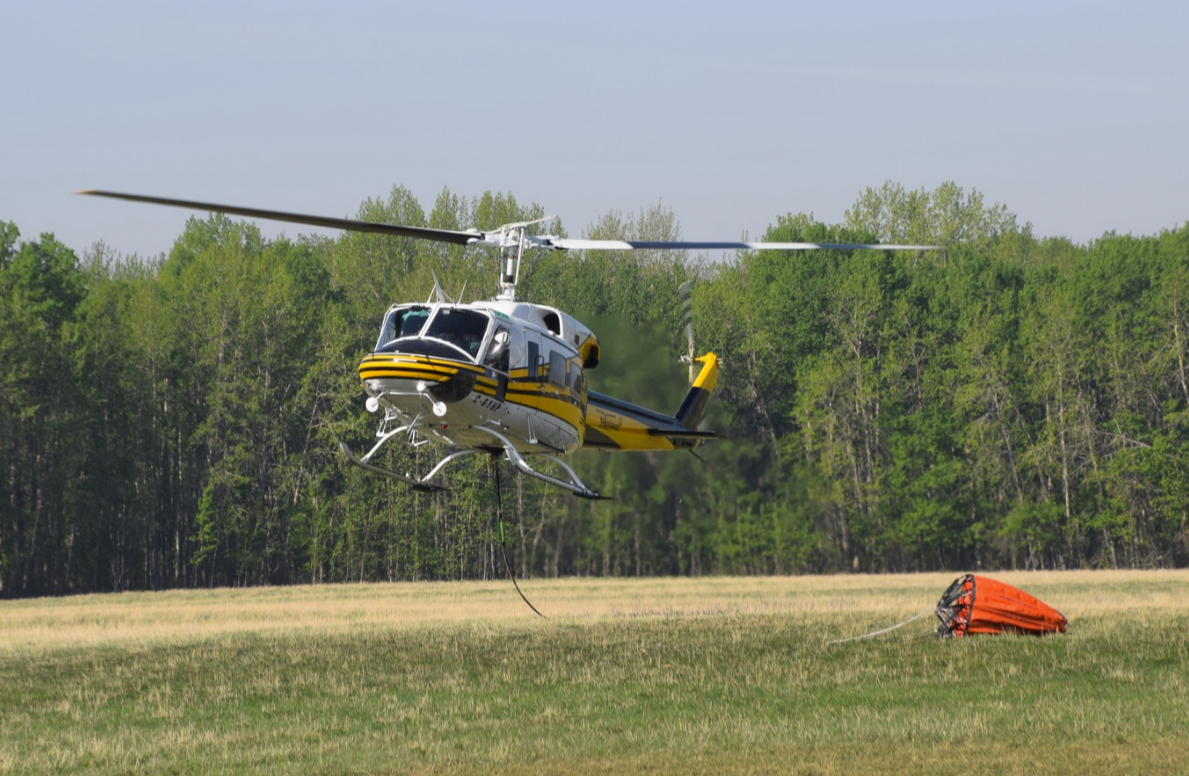
The Peace River Forest area wildfire danger rating now sits at low.
Alberta Wildfire also reports zero active wildfires in all of northern Alberta.
However, even with low wildfire danger levels and cold temperatures, Alberta Wildfire is asking residents to still use caution.
Specifically for the PRFA, “agricultural activity is the primary cause of human-related wildfires,” and with harvest season wrapping up, they are asking producers to be extra vigilant and have provided a list of tips for those operating heavy equipment:
- Any buildup of crop residue around the engine, exhaust system, belts and chains.
- Damaged exhaust components.
- Worn or frayed belts.
- Signs of leaking fluids, oils and fuels.
Combines and balers can present different types of problems:
- Buildup of combustible crop residue around the engine and exhaust system.
- Concealed drive belts and pulleys that can contribute to the accumulation of crop residue that can overheat due to friction.
Regular maintenance is the key to preventing wildfires caused by agricultural equipment:
- Keep bearings and gears well lubricated to prevent buildup.
- Remove crop residue from areas prone to generate normal heat.
- Replace worn and broken belts as soon as possible.
- Keep lubricants at proper levels.
- Repair or replace damaged or worn-out exhaust systems – in addition to a good exhaust system, a spark arrester can be installed to catch burning particles.
- Repair damaged electrical wiring.
- Keep one or more fire extinguishers on machinery and know how to use them.
Hay bales
When baled at too high of a moisture level, hay bales are at risk of spontaneous combustion. This occurs when the hay metabolizes or “burns” the sugars in the plant, heating the tightly packed core. Once the internal temperature of the hay bale reaches 80°C, the heat, fuel, and pressure cause the bale to combust and burn. When sitting out in a dry field, burning bales can be an ignition source of wildfires.
Prevention:
- Ensure crop moisture levels are low when baling.
- Store bales in a dry, inflammable location.
Monitoring:
- Perform routine temperature checks via probe.
- Routinely check for a musty-sweet fermentation smell from bales.
Suppression:
- In the event a hay bale begins to rise in temperature, pull the bale apart and wet the hay away from other feed and buildings.
- In the event of a hay bale fire, keep your distance and call 911.
Anyone wanting more information on farm and heavy equipment fire safety can visit Preventing wildfires on the farm.